Christmas Christmas Cards Crafts
Handmade Christmas cards that carry more meaning than any store-bought greeting.

Tips for Christmas Cards Success
Work in Batches
Set up an assembly line if making multiple cards: fold all the bases first, stamp designs on all of them, then add embellishments one element at a time. This rhythm is more efficient and produces consistent results. Play holiday music, pour some hot cocoa, and make an event of it.
Keep Embellishments Flat
Bulky decorations increase postage costs significantly. Flat cards fit standard envelopes and cost less to mail. If you must add dimensional elements, use foam dots sparingly or save elaborate cards for hand-delivery. The postal service will thank you, and so will your budget.
Pre-Address Envelopes
Write addresses before the holiday rush when your hand is steady and your patience intact. Consider printing address labels if your list is long — your handwriting will stay beautiful for the personal notes inside. Address in early November before the chaos descends.
Add a Personal Note
Even three handwritten lines inside make the card special. Mention something specific about that person: a memory from the year, gratitude for their friendship, or hopes for the coming year. Generic messages feel generic; specific details feel like love.
Test Designs First
Before committing to a full batch, make one test card. Check that colors work together, stamps align properly, and the finished product fits in your envelopes. Adjust before scaling up. Better to discover problems on card #1 than card #47.
Use a Light Box
A light box (or even a bright window) helps trace designs, align layers, and position elements precisely. Game-changer for intricate designs, centering text, and consistent placement across multiple cards.
Heat Embossing Elevates Everything
A heat embossing tool transforms simple stamped images into raised, shiny designs that look professional. Clear embossing powder over colored ink creates subtle texture, while metallic powders deliver stunning gold, silver, or copper effects that catch the light beautifully.
Start a Card Collection
Keep cards you receive and love as inspiration for future designs. Note techniques you admire and want to try next year. This inspiration file becomes invaluable when creative block strikes.
Mind Your Margins
Leave adequate border space around your design elements. Crowded designs feel chaotic; white space provides breathing room. The rule of thirds works for card design just as it does for photography.
Consider the Envelope
The envelope is the first thing recipients see. Coordinate colors, add a hand-stamped design to the back flap, or use washi tape to seal. A decorated envelope builds anticipation before the card is even opened.
Layer for Depth
Mount focal elements on foam squares to create dimension. Layer patterned papers with solid cardstock. Add ribbon, twine, or small embellishments. Multiple layers create visual interest and professional polish.
Photograph Your Work
Take photos of completed cards before mailing them. You will forget your best designs otherwise. These reference photos help you recreate favorites next year and track your improvement over time.
Common Materials You'll Need
- ✓ Cardstock in holiday colors (red, green, white, kraft, navy)
- ✓ Rubber stamps and clear stamps with holiday motifs
- ✓ Ink pads (dye-based for quick drying, pigment for embossing)
- ✓ Washi tape in festive patterns
- ✓ Patterned scrapbook paper
- ✓ Markers, gel pens, and metallic pens
- ✓ Calligraphy supplies for elegant lettering
- ✓ Stickers and die cuts for quick decoration
- ✓ Craft knife, metal ruler, and self-healing cutting mat
- ✓ Bone folder for crisp, professional folds
- ✓ Envelopes in coordinating colors and sizes
- ✓ Embossing powder and heat tool
- ✓ Adhesive: glue dots, double-sided tape, foam squares
- ✓ Corner rounders and decorative scissors
- ✓ Ribbon, twine, and mini clothespins for accents
- ✓ Watercolor paints and watercolor cardstock
- ✓ Glitter (fine and chunky varieties)
- ✓ Paper trimmer for clean cuts
- ✓ Scoring board for perfect folds
- ✓ Letter stickers and alphabet stamps
Christmas Cards Projects
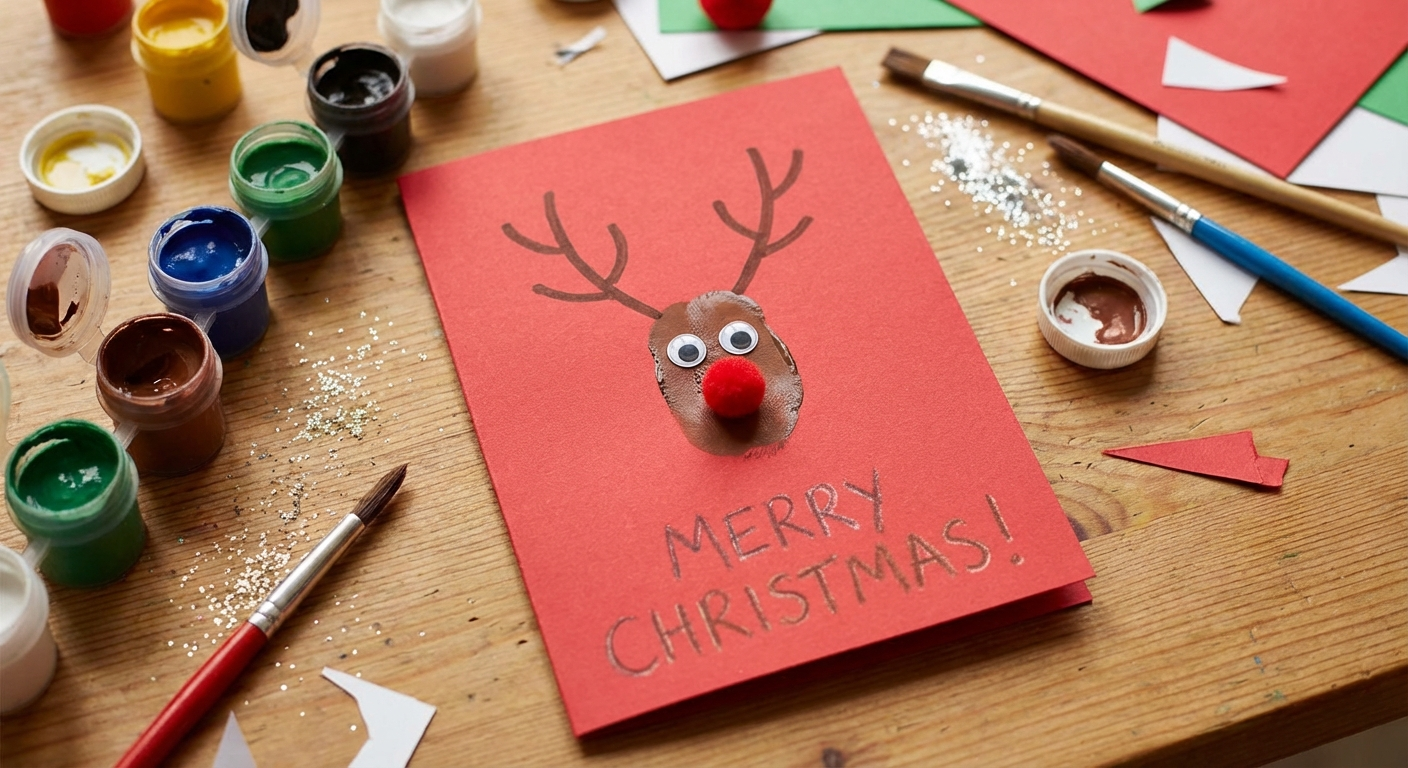
Fingerprint Reindeer Card
Transform thumbprints into adorable Rudolph and his reindeer friends. This kid-friendly craft is perfect for classroom parties, family craft nights, or making personalized cards that grandparents will treasure forever.
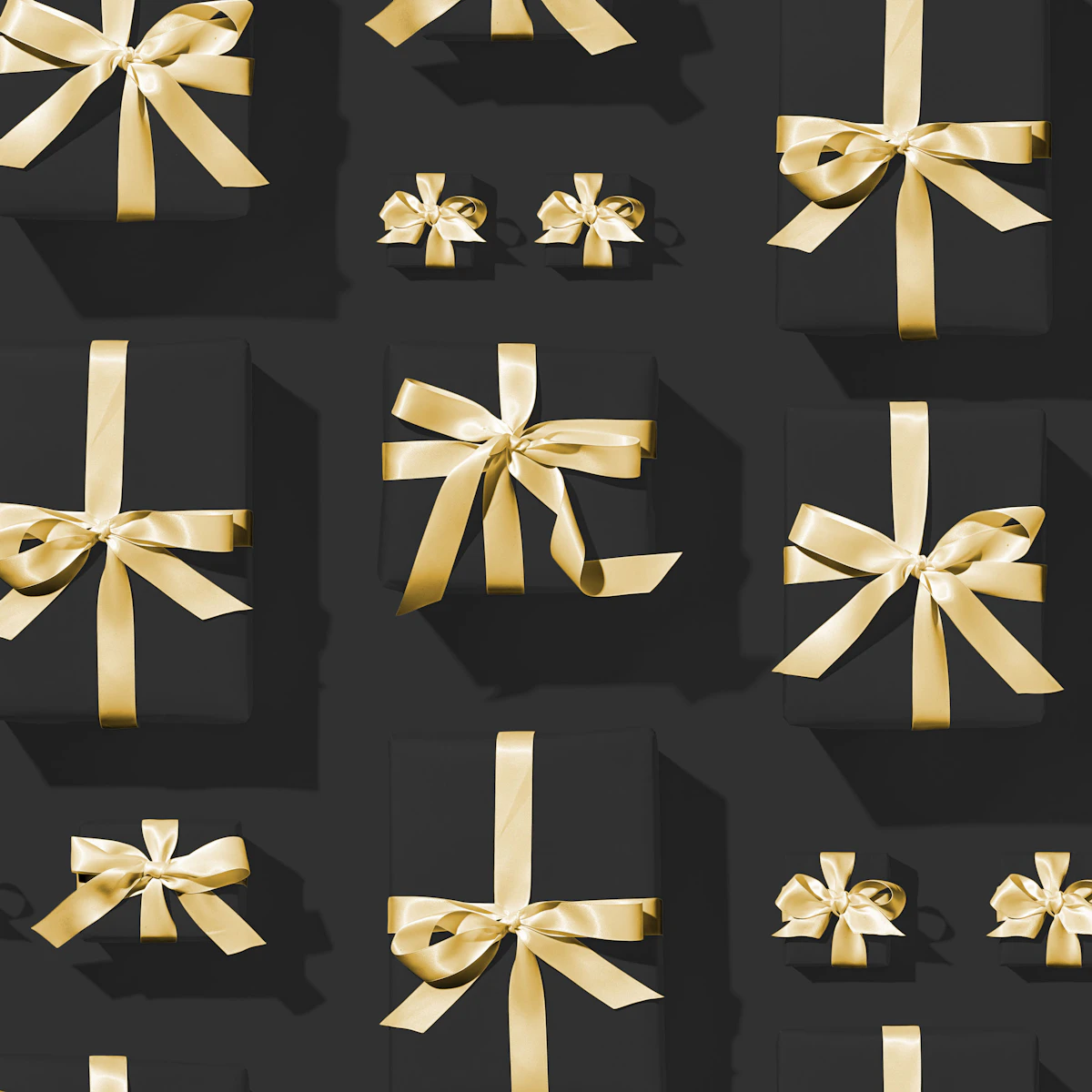
Stamped Kraft Paper Christmas Cards
Combine the rustic charm of kraft paper with hand-stamped designs for cards that look like they came from a boutique stationery shop. Simple stamping techniques create impressive results even for complete beginners.

Washi Tape Christmas Cards
Create stunning geometric Christmas trees, wrapped presents, and festive borders using colorful washi tape. No drawing skills required — just tear, stick, and layer for professional-looking results in minutes.
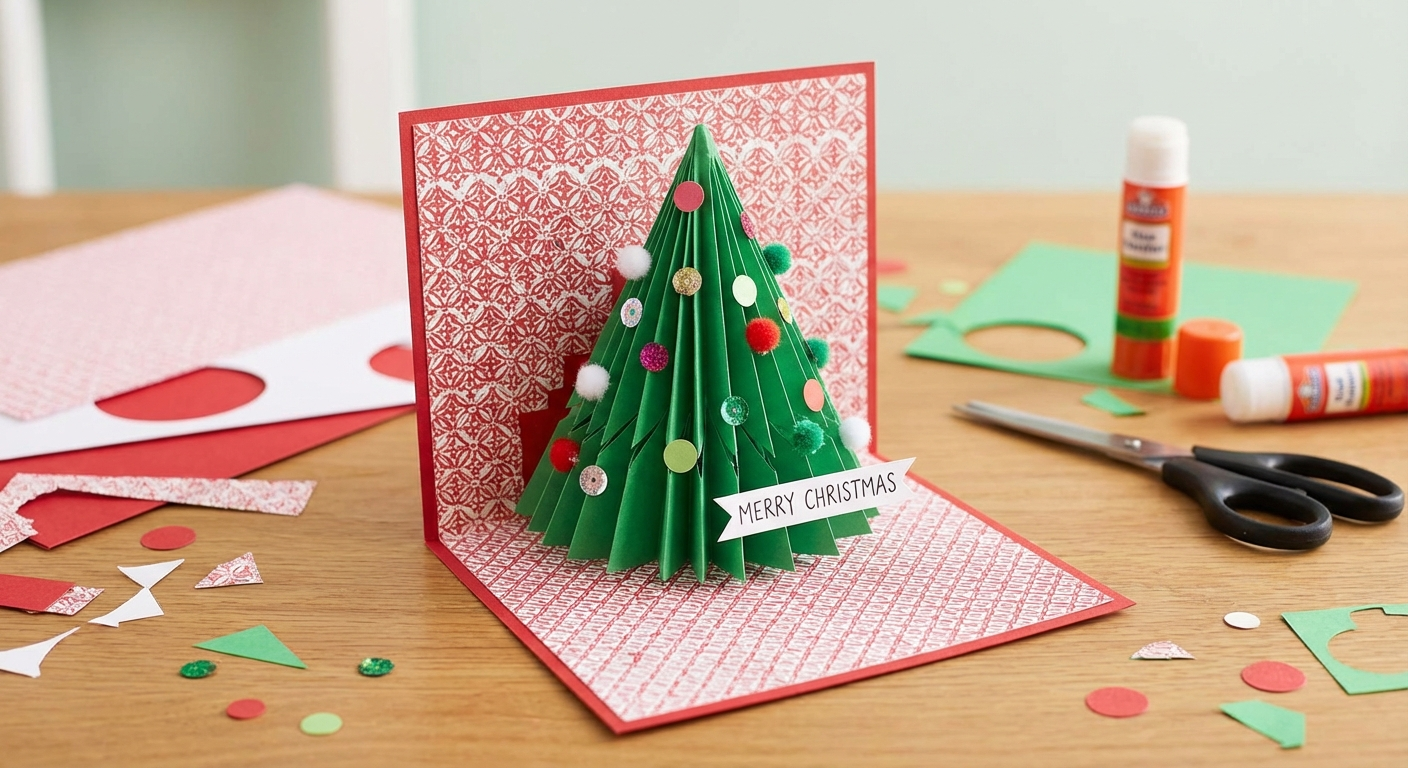
Pop-Up Christmas Tree Card
Surprise your loved ones with a 3D pop-up Christmas tree that springs to life when they open the card. This paper engineering project uses basic cutting and folding to create an impressive effect.
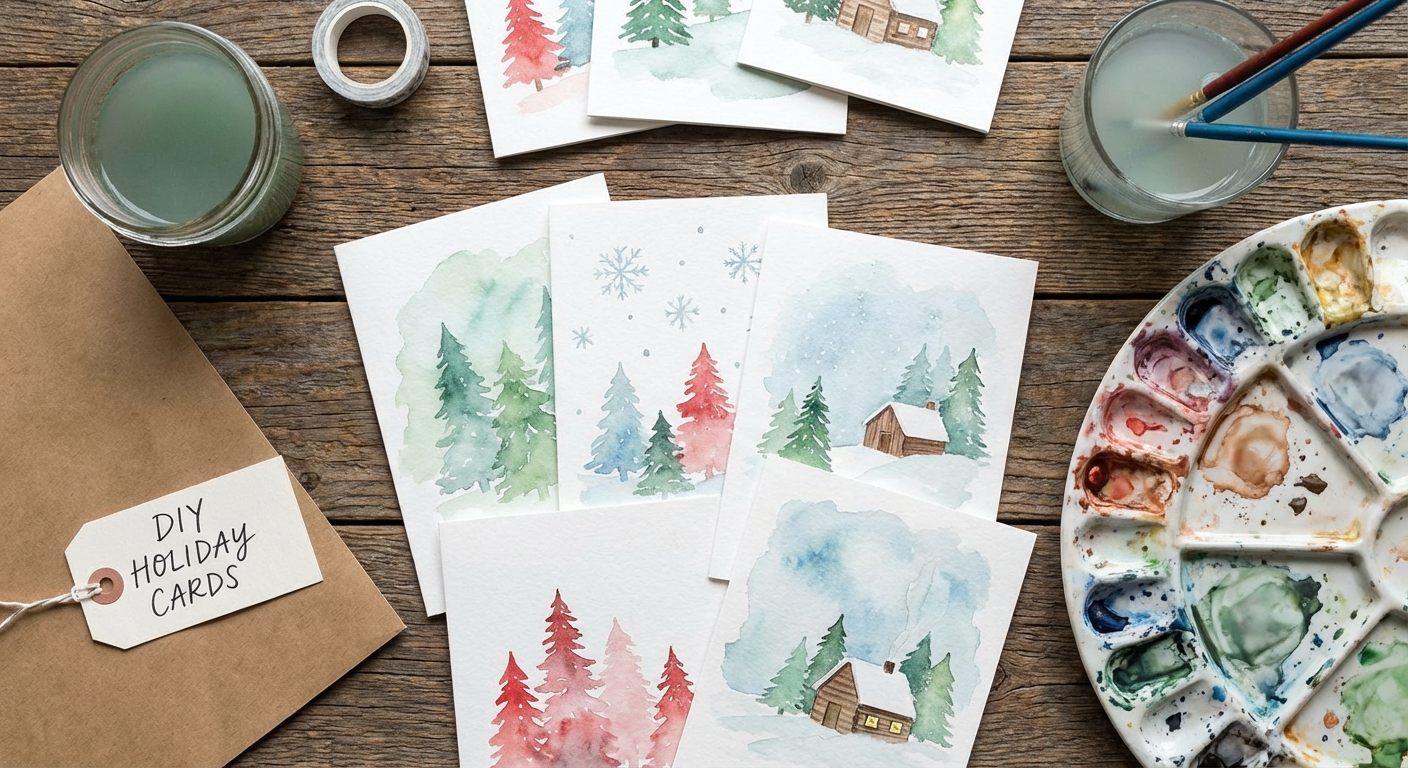
Watercolor Christmas Cards
Paint elegant, one-of-a-kind Christmas cards using simple watercolor techniques. No art experience is needed to create beautiful washes, trees, and snowscapes that will impress everyone on your mailing list.
Why Make Your Own Christmas Cards?
A handmade card tells someone you carved out time in your busy life specifically for them. You sat down, chose materials, made creative decisions, and thought about them throughout the process. That investment of time and attention is what makes handmade cards treasured keepsakes. In a world obsessed with efficiency and instant everything, deliberately slowing down to create something by hand is an act of love. In a world where everyone's inbox overflows with generic holiday emails and social media is flooded with copy-pasted greetings, a physical card — one you made yourself — stands out like a beacon. It says "you matter enough for me to slow down." Digital messages disappear into the scroll; handmade cards get displayed on refrigerators, tucked into special boxes, and saved for years. Which would you rather send? Recipients often keep handmade cards for years, displaying them during future holiday seasons or tucking them into keepsake boxes. Your card might become a permanent part of someone's Christmas decorations, pulled out and admired every December. Imagine: something you made with your hands, bringing joy to someone's holiday again and again. That's legacy in paper and ink. Card-making also connects generations. Teaching children to make cards passes on crafting skills, the value of handwritten communication, and the joy of giving something made with your own hands. The slightly crooked stamp, the enthusiastic glitter application, the "Love, Grandma" in shaky but heartfelt handwriting — these become family treasures. Grandchildren keep these cards forever. And let's be practical: handmade cards save money when you're sending to a large list. A pack of quality cardstock and some stamps cost less than dozens of store-bought cards, and the results are infinitely more personal. Once you invest in basic supplies, your cost per card drops dramatically — and every card you make is unique. Beyond the finished product, the process itself is therapeutic. The repetitive motions of stamping, folding, and decorating have a meditative quality. Card-making provides a creative outlet during the busy holiday season, a few hours of focused calm amid the chaos. Many crafters report that their card-making time is the most peaceful part of their December. Finally, handmade cards create opportunities for connection beyond the recipient. Card-making parties bring friends together. Family craft nights create holiday memories. Teaching a new technique to a fellow crafter builds community. The cards you make radiate outward, touching lives beyond the mailbox.
Explore More Christmas Crafts
Find more DIY projects to make your holiday season creative and memorable.
All Craft Categories →Never miss a Christmas idea
Get daily gift guides, recipes, and holiday inspiration delivered to your inbox.