Christmas International Recipes
Traditional Christmas recipes from around the world — German Stollen, Italian Panettone, and festive dishes from every culture.
Christmas is celebrated around the world, and every culture brings its own delicious traditions to the holiday table. From Italy's panettone to Germany's stollen, from Britain's flaming Christmas pudding to Mexico's tamales and buñuelos, these international recipes offer a genuine taste of how other cultures mark the season. They're perfect for honoring your own heritage or adding something completely new to your holiday traditions.
What strikes me most about international Christmas food is how seriously people take it. These are not afterthoughts — they are sacred traditions passed down through generations, tied to religious observance, family identity, and the rhythm of the season. A German family would no more skip their Christmas stollen than an Italian family would skip their Christmas Eve feast of seven fishes. These dishes carry meaning that extends far beyond flavor.
Our collection honors these traditions with authentic recipes that respect their cultural origins while remaining achievable for American home cooks. Whether you are connecting with your own heritage, exploring your spouse's family traditions, or simply curious about how the rest of the world celebrates Christmas, these recipes offer a genuine taste of global holiday spirit.
European Christmas Baking Traditions
European Christmas baking revolves around enriched breads and cakes that require time, patience, and quality ingredients. Our German Stollen follows the centuries-old Dresdner tradition: rum-soaked dried fruits and a marzipan center hidden inside a thick blanket of powdered sugar. It is meant to be baked weeks before Christmas and sliced on Christmas morning — the waiting is part of the ritual.
Italian Panettone is equally ambitious: a tall, domed, brioche-like bread studded with candied orange peel and golden raisins that requires an 18-hour process and a critical upside-down cooling step. The technique is demanding but the result — a cloud-like crumb that practically floats off the plate — is worth every minute.
British Christmas pudding represents another entirely different tradition. Dense, dark, and intensely flavored with dried fruits, suet, and brandy, it is steamed for hours on Stir-Up Sunday (the last Sunday before Advent), aged for weeks, steamed again on Christmas Day, and set aflame with more brandy before serving. It is not subtle, but it is magnificently traditional.
Latin American Christmas Celebrations
Latin American Christmas food centers around family gatherings on Nochebuena (Christmas Eve) with traditions that vary beautifully across countries. Mexican families prepare tamales — masa dough filled with meats, cheese, or sweet fillings, wrapped in corn husks and steamed for hours. Making tamales is a communal event where multiple generations gather to assemble hundreds at a time, talking and laughing while their hands work.
Puerto Rican Christmas brings pasteles — similar to tamales but made with grated green plantains and root vegetables instead of corn masa, filled with seasoned pork, wrapped in banana leaves, and boiled. They are labor-intensive but beloved, with families often making enormous batches to share and freeze.
In many Latin American countries, Nochebuena dinner includes a slow-roasted pork (lechón), rice with pigeon peas (arroz con gandules), yucca, and fried plantains. Desserts include buñuelos (crispy fried dough fritters dusted with cinnamon sugar), flan, and tres leches cake. The meal goes late into the night, with children staying up for midnight mass.
Scandinavian Christmas Traditions
Scandinavian Christmas celebrations feature smorgasbords of preserved foods that sustained families through long, dark winters. Swedish julbord includes pickled herring, gravlax (cured salmon), meatballs, Jansson's Temptation (a creamy potato and anchovy casserole), and lutfisk for the truly traditional. Saffransbullar (saffron buns) shaped like cats brighten the table with their golden color.
Norwegian Christmas includes ribbe (crispy pork belly), pinnekjøtt (salted and dried lamb ribs), or lutefisk depending on regional preference. Krumkake (delicate waffle cookies rolled into cones) and lefse (potato flatbread spread with butter and sugar) are essential holiday treats.
Danish Christmas centers around risalamande — rice pudding mixed with whipped cream, vanilla, and chopped almonds, served with warm cherry sauce. One whole almond is hidden in the pudding, and whoever finds it wins a small prize. This simple tradition creates genuine excitement around a dessert.
Eastern European Christmas Foods
Polish Christmas Eve (Wigilia) is one of the most elaborate and meaningful Christmas meals in the world. Tradition calls for twelve meatless dishes representing the twelve apostles, served only after the first star appears in the sky. The meal includes barszcz (beet soup), carp, pierogi filled with sauerkraut and mushrooms, kutia (sweet wheat berry pudding), and poppy seed rolls.
Ukrainian Christmas includes similar dishes with regional variations: borscht with ushka (small dumplings), varenyky (filled dumplings), and twelve traditional dishes representing abundance and the twelve apostles. An extra place setting is left at the table for unexpected guests or departed family members — a beautiful gesture of inclusion.
Russian Christmas falls on January 7th due to the Orthodox calendar. The holiday meal includes kutya, olivier salad (Russian potato salad), pelmeni (meat dumplings), and an elaborate spread that often extends over several days of celebration with family and friends.
Asian and Middle Eastern Christmas Celebrations
In the Philippines, Noche Buena after midnight mass features lechón (roasted pig), ham, queso de bola (Edam cheese), bibingka (rice cake), and puto bumbong (purple rice cake steamed in bamboo). Filipino Christmas is colorful, joyful, and distinctly different from Western traditions while maintaining deep Catholic roots.
Japanese Christmas, though not a traditional holiday, has developed its own unique food culture. KFC fried chicken has become the most popular Christmas meal (requiring advance reservations), along with Christmas cake — a light sponge cake with whipped cream and strawberries. It is commercial rather than traditional, but it is genuinely how many Japanese families celebrate.
In Lebanon and other Middle Eastern Christian communities, Christmas often includes mezze spreads, roasted lamb or turkey, rice with vermicelli, and ma'amoul (filled shortbread cookies with dates, pistachios, or walnuts dusted with powdered sugar). These traditions blend Middle Eastern flavors with Christmas celebrations beautifully.
Sourcing Authentic Ingredients
Making authentic international dishes requires authentic ingredients. Specialty grocery stores and European delis stock quality candied citrus peel, imported marzipan, real vanilla beans, and the specific dried fruits that make stollen taste like stollen rather than generic fruitcake. The difference between grocery store candied fruit and quality imported peel is dramatic.
For Latin American dishes, Latin markets carry fresh masa, banana leaves for wrapping, proper chiles, and the specific brands of spices that make dishes taste right. For Asian ingredients, Asian supermarkets stock the right rice flour, pandan leaves, and specialty items unavailable in mainstream stores.
Online retailers have made international cooking more accessible than ever. Importers of European baking supplies, Latin American specialty foods, and Asian ingredients ship nationwide. The investment in quality ingredients transforms recipes from interesting experiments into genuine representations of their cultural origins.
Understanding Cultural Context
Before preparing international Christmas dishes, research their cultural significance. Understanding why Italian families eat seven fishes on Christmas Eve (representing the seven sacraments, or perhaps the wait for Christmas Day), or why Polish families wait for the first star before beginning Wigilia, or why stollen is shaped to represent the Christ child in swaddling clothes adds meaning to the cooking process.
Share these stories when serving the dishes. Explain the tradition to your guests. Talk about the symbolism, the history, the way families in that culture experience this food. This context transforms a meal from "trying exotic recipes" into a genuine cultural learning experience that honors the tradition.
Respect the traditions while adapting reasonably for your context. You do not need to prepare all twelve Polish Wigilia dishes to honor the tradition — making a few with understanding and respect is better than a perfunctory recreation of everything. The spirit matters more than rigid adherence.
Making International Dishes Approachable
Many international Christmas recipes intimidate home cooks because they involve unfamiliar techniques or extended timelines. Start with simpler recipes: buñuelos require only basic frying skills, Scandinavian saffron buns are straightforward enriched dough, and many mezze items assemble rather than cook.
For ambitious projects like panettone or stollen, read through the entire recipe multiple times before starting. Understand the timeline — when you need to start, what happens at each stage, where you can pause. Break multi-day projects into manageable sessions. Panettone dough can rest overnight in the refrigerator, giving you natural stopping points.
Consider making these dishes communally. Invite family or friends to help prepare tamales or pierogi. The labor becomes lighter and the experience becomes a memory. Many of these traditions are meant to be communal — honoring that aspect matters as much as the final dish.
Storage and Serving Traditional Recipes
International Christmas baked goods often improve with age. German stollen stores at cool room temperature for 3-4 weeks wrapped tightly — the butter and sugar coating preserves it naturally. The flavor deepens and the texture improves. Many German families bake stollen at the start of Advent and serve it throughout December.
Panettone is best within 5 days of baking, though it can be refreshed by warming briefly in a low oven. Christmas pudding ages for weeks or months — the brandy preserves it and the flavors meld magnificently. Tamales and pierogi freeze beautifully, making them perfect for batch cooking.
Serve dishes in their traditional manner when possible. Stollen is sliced thin and served with butter. Panettone is torn by hand and served with mascarpone or espresso. Christmas pudding is flamed with warm brandy. These serving rituals complete the experience and honor the tradition.
Building Your International Christmas Menu
Incorporating international dishes into your Christmas meal adds variety and cultural richness. You do not need to abandon your family traditions — simply add one or two international dishes alongside your usual menu. Serve stollen on Christmas morning with coffee. Add tamales to your Christmas Eve spread. Offer panettone alongside your usual Christmas desserts.
For a fully international Christmas menu, choose dishes from a single culture to create a cohesive experience, or create a global sampler with dishes from multiple traditions. Either approach works — cultural focus creates authenticity, while variety creates conversation and discovery.
From International Recipes to Complete Christmas
International Christmas recipes expand your holiday repertoire and connect you to global traditions. Pair these dishes with our Christmas cookie recipes for an international cookie exchange, or complement them with our festive holiday drinks like mulled wine (popular across Europe) or Mexican hot chocolate. For a complete American Christmas feast, explore our traditional main courses and classic side dishes, then end with international specialties for a meal that honors multiple traditions beautifully.
🎄 Related Christmas Content
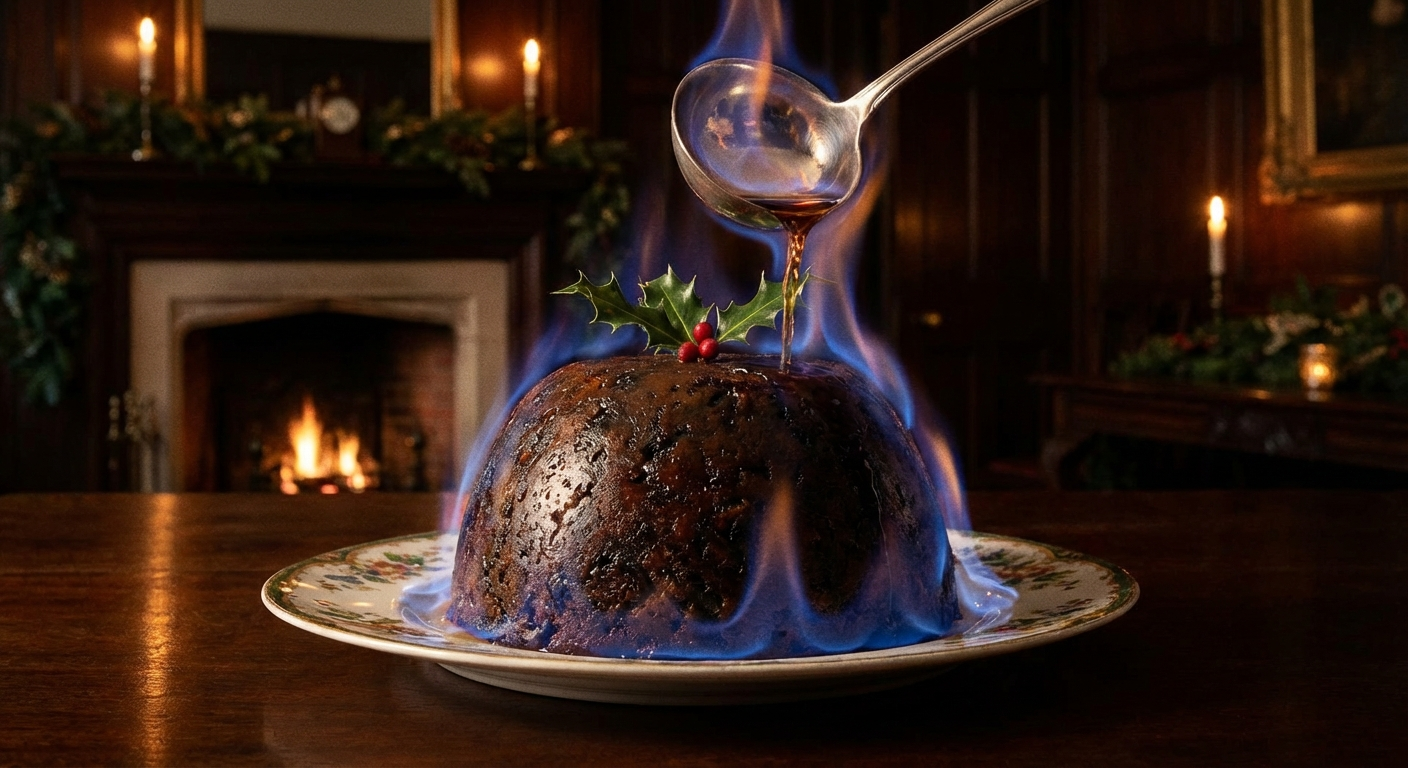
British Christmas Pudding (Traditional Recipe)
Authentic British Christmas pudding — a rich, steamed fruit cake made weeks ahead, aged with brandy, and flambéed at the table for a spectacular holiday finale.
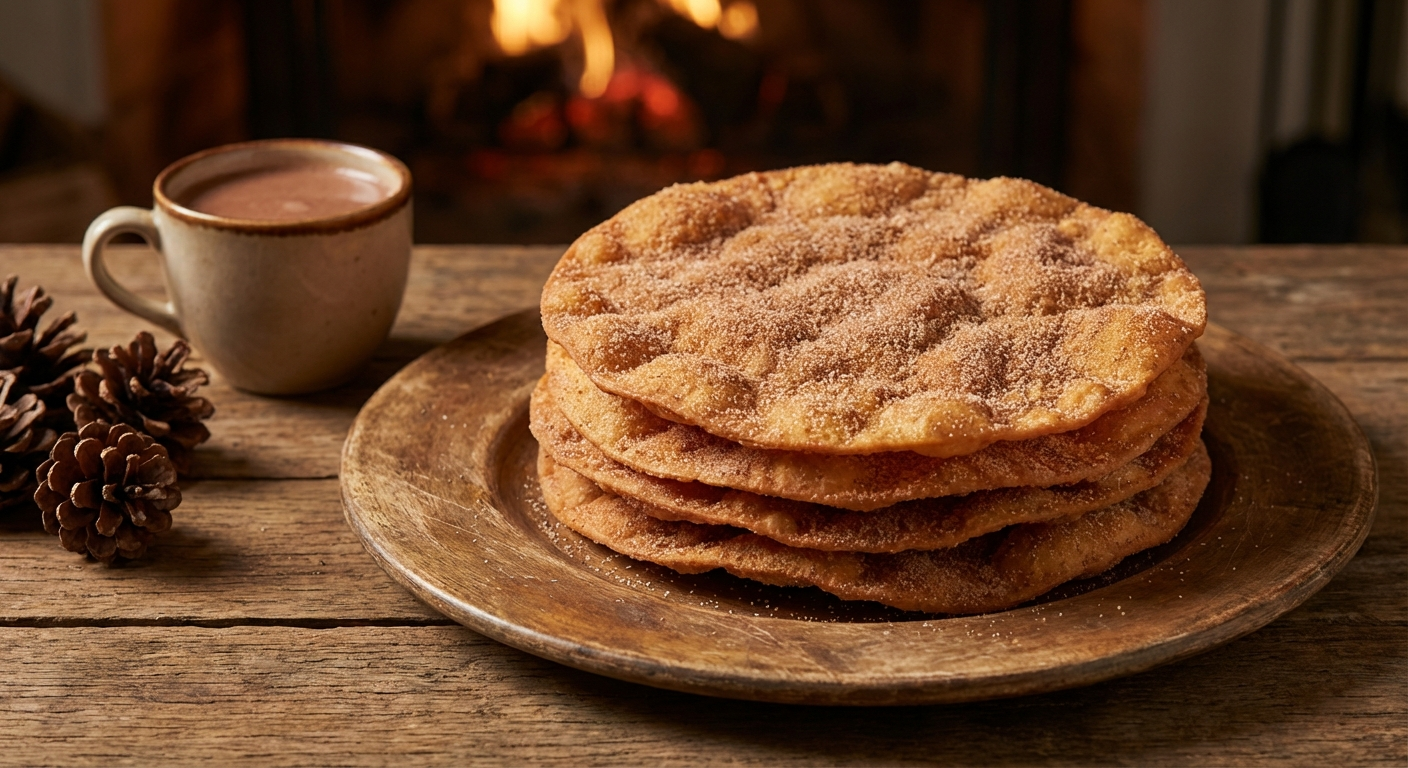
Mexican Buñuelos (Crispy Christmas Fritters)
Authentic Mexican buñuelos — thin, crispy fried dough discs dusted with cinnamon sugar and drizzled with piloncillo syrup. A beloved Christmas and New Year's tradition throughout Mexico and Latin America.
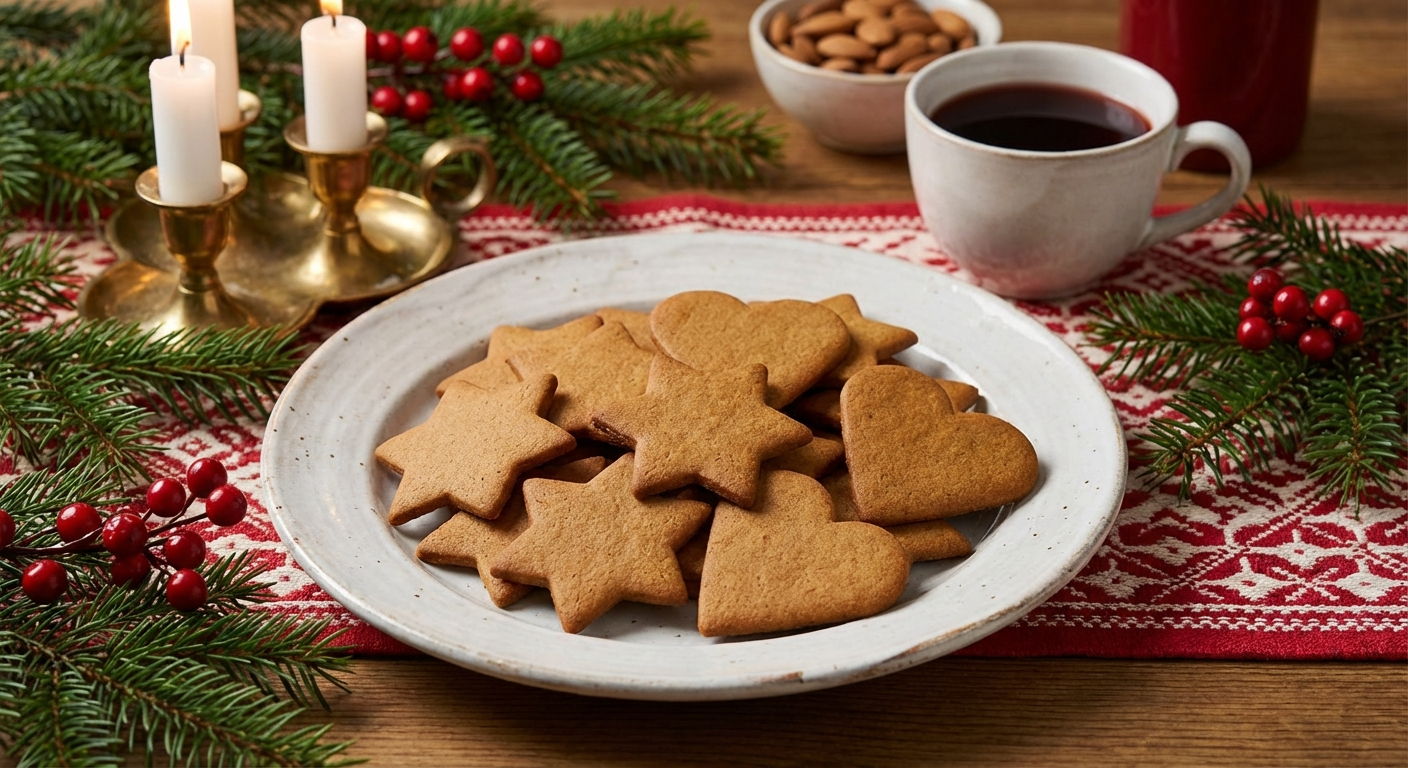
Swedish Pepparkakor (Crispy Gingerbread Cookies)
Authentic Swedish pepparkakor — delicate, paper-thin gingerbread cookies spiced with ginger, cinnamon, and cloves. The classic Swedish Christmas cookie, perfect for decorating or eating plain.
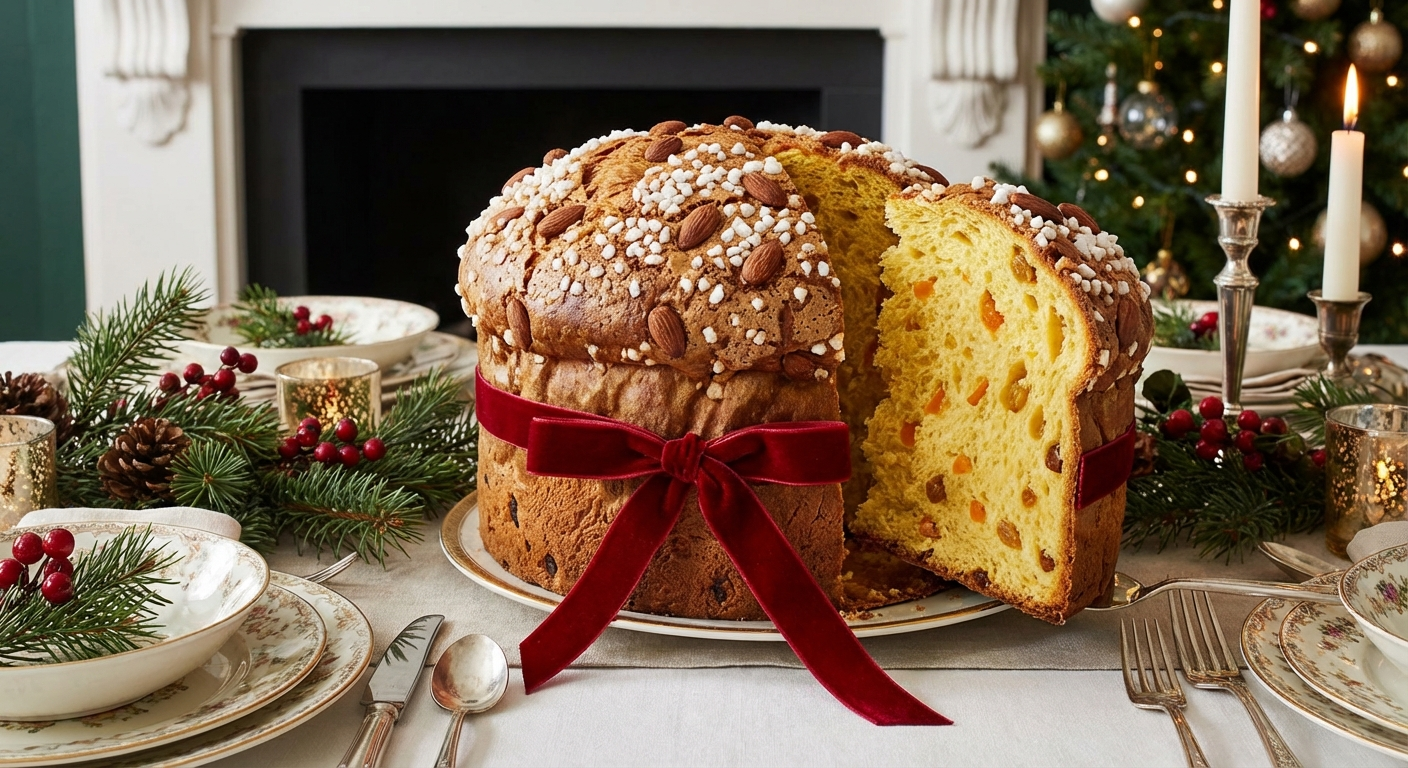
Italian Panettone
A beautifully domed Italian Christmas bread studded with candied orange peel, citron, and golden raisins. This authentic panettone features a tender, buttery brioche-like crumb with an irresistible aroma of vanilla and citrus. It requires patience and time, but the result is an extraordinary holiday bread worthy of any Italian bakery.
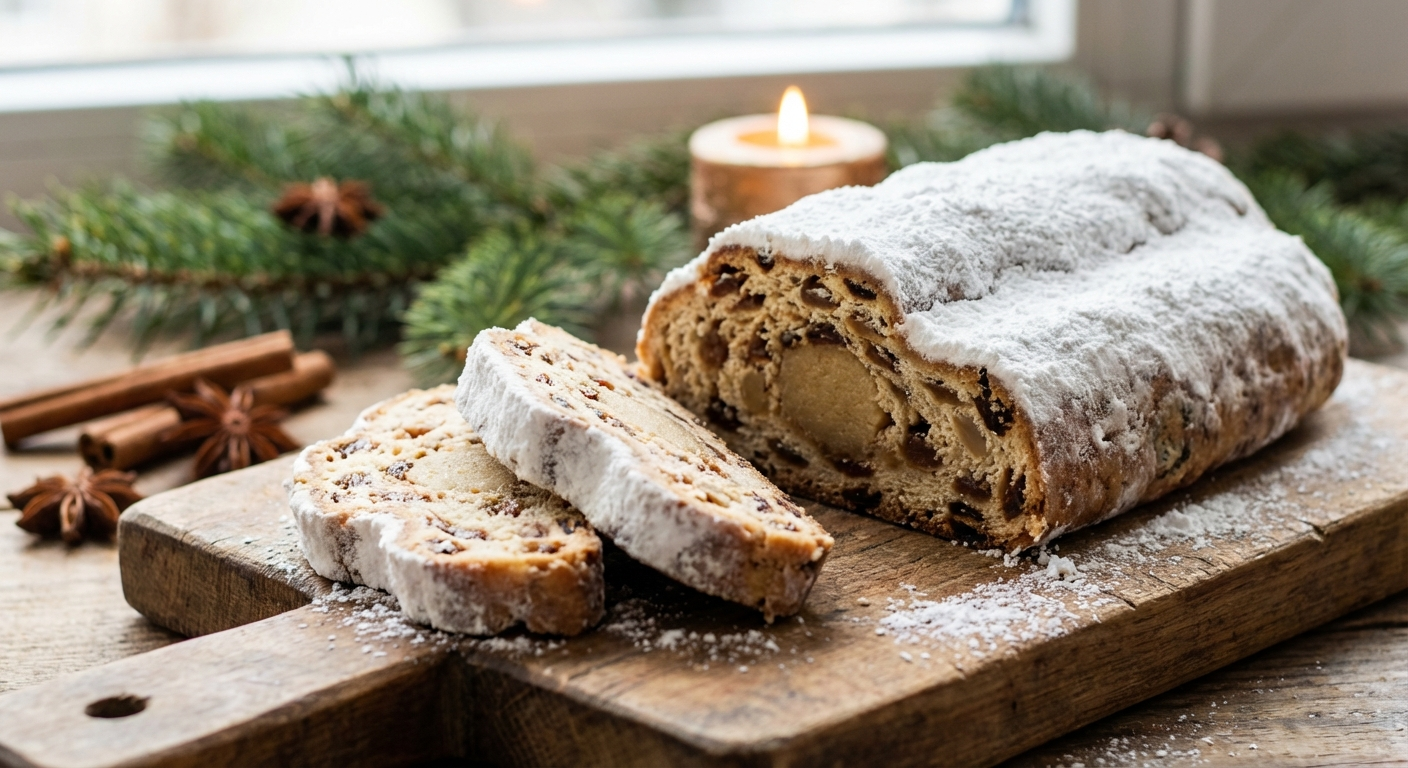
German Stollen (Christmas Bread)
A magnificent German Christmas bread laden with rum-soaked dried fruits, almonds, marzipan, and warm spices, all encased in a thick, snowy coat of powdered sugar. Stollen is traditionally baked weeks before Christmas and improves in flavor as it ages, making it the perfect holiday baking project.
💡 Pro Tips for International
- ✓ Research the cultural significance of dishes before serving them — understanding the tradition adds meaning and makes for great dinner conversation.
- ✓ Source authentic ingredients when possible. Specialty grocery stores, European delis, and online retailers stock quality candied citrus peel, marzipan, and other traditional ingredients that make a real difference.
- ✓ Start with one new international dish per year to gradually expand your holiday repertoire. Panettone or stollen are perfect starting points — they serve a crowd and improve with age.
- ✓ Many international Christmas dishes are meant to be made communally — invite family to help prepare them. The tradition is as much about the making as the eating.
- ✓ International baked goods like stollen and panettone are often better made a week in advance — the flavors deepen and the texture improves with resting time.
- ✓ Look up the proper presentation for each dish. German stollen is traditionally sliced and served with butter; Italian panettone is torn by hand and served with mascarpone or espresso.
Never miss a Christmas idea
Get daily gift guides, recipes, and holiday inspiration delivered to your inbox.